Public records provide an official account of government and legal activities that anyone can consult. These documents include property deeds, court filings, and other government records. People rely on Jackson County Public Records for a variety of purposes, such as confirming facts, tracking legal cases, or gathering information for personal or professional use. Accessing these records helps maintain transparency and ensures that important legal and civic information is available to the public.
Court records form a significant part of these public documents. Jackson County Court Records cover civil disputes, criminal cases, probate matters, family issues, and small claims. They offer verified information through both online portals and physical courthouse access. Users benefit from searching and accessing these records quickly and legally, whether for professional research, legal work, or personal verification. Legal archives like these provide a reliable source of information that supports accountability and informed decision-making.
How the Record Search Process Works
Finding public court records can be straightforward with the right approach. By knowing which details to use—such as a name, case number, or date-users can locate accurate information efficiently. Proper preparation and attention to details can save time and reduce errors. Jackson County Court efficient record searches start with clear identification of the record type. Court records may include civil, criminal, or family case files, and each type often requires different search criteria. Searching by full legal name is common, but including a case number or filing date narrows results quickly. Online portals often provide filters for case type, jurisdiction, and date ranges, improving accuracy.
Key Steps for Accurate Searches
Accuracy is crucial to retrieve the correct records. Minor mistakes like misspelling a name or entering the wrong date can lead to incomplete or incorrect results. Following a structured approach ensures better outcomes.
Steps to improve accuracy:
- Identify the correct jurisdiction – Check whether the record is at the local, county, or state level.
- Select the record type – Civil, criminal, probate, or traffic records may have separate databases.
- Enter accurate identifiers – Use full legal name, case number, date, and record type.
- Verify results carefully – Ensure documents match the intended case or individual.
- Log search queries – Track sources to avoid duplication and confusion.
Free vs Paid Record Searches
Public court records can be accessed through free and paid options. Free searches usually provide basic details like case summaries, filing dates, and court schedules. Paid searches often include full documents, official filings, and certified copies.
Consider these points:
- Free searches are ideal for general information or preliminary checks.
- Paid services are helpful for legal, professional, or official purposes.
- Government portals provide direct access to online court records and legal archives.
- Third-party services may consolidate multiple records in one report for a fee.
How to Access Jackson County Public Records
Accessing government documents in Florida has become significantly easier due to the state’s commitment to digital transparency. The Jackson County Clerk of the Circuit Court maintains several digital repositories that allow the public to conduct a record search from any location, reducing the need for physical travel to the courthouse for routine inquiries.
Official Records (Deeds, Mortgages, Liens)
These records primarily concern real estate transactions and financial encumbrances attached to property within the county. Navigating this database is essential for title searches, verifying ownership, or researching historical land transfers that have been digitized for public convenience.
- Visit the https://www.jacksonclerk.com/search-official-records/.
- Choose “Search and View” for free access or create an account if you require frequent downloads.
- Enter search parameters such as Name, Date Range, or Document Type (e.g., Warranty Deed).
- Review results. Most modern records are available as viewable images.
Court Records (Civil & Criminal)
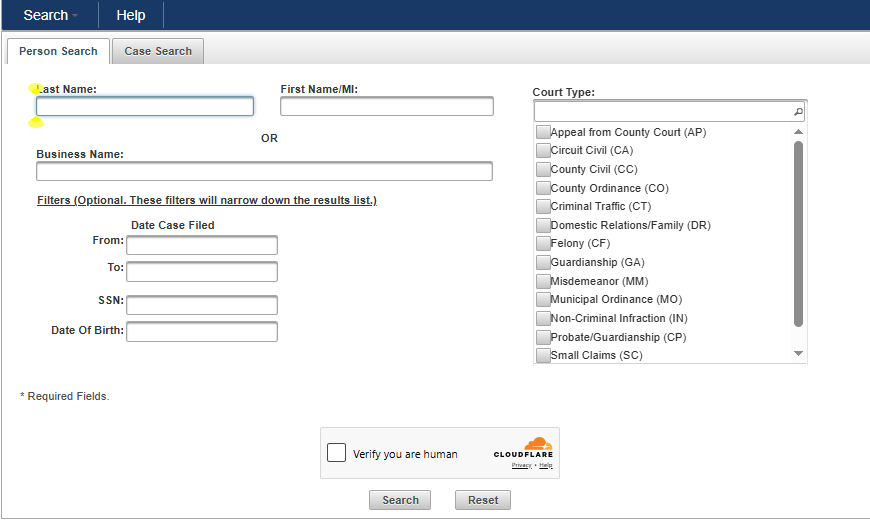
The court records portal serves as the primary window into the local judiciary, offering data on everything from traffic citations to felony cases. This system is designed to provide a high level of accountability, allowing citizens to track the progress of legal proceedings and access non-confidential filings.
- Access: Navigate to the https://www.civitekflorida.com/ocrs/county/32/.
- Criteria: Search by Case Number, Citation Number, or Party Name.
- Note: While many records are public, sensitive documents (such as juvenile or certain family law cases) may be restricted to “Registered Users” or “Attorneys of Record.”
In-Person Access: Visiting the Courthouse
While digital tools cover most modern needs, a physical visit to the courthouse remains a necessity for accessing original legal archives or seeking hands-on assistance from deputy clerks. The courthouse environment provides access to specialized research terminals and archival volumes that have not yet been transitioned to the online portal.
- Clerk of the Circuit Court: 4445 Lafayette Street, Marianna, FL 32446.
- Public Terminals: The Clerk’s office provides self-service terminals for the public to perform searches without a subscription fee.
- Hours: Generally Monday through Friday, 8:00 AM to 4:30 PM (CST).
Requesting Copies: Fees and Timelines
The process of obtaining physical or certified copies is governed by statutory fee schedules to ensure that the cost of accessing information remains reasonable for the public. Understanding these costs beforehand helps in budgeting for extensive historical research or preparing for legal submissions that require validated documentation.
Common Request Formats
Requests can be fulfilled in various formats depending on the intended use, ranging from simple digital scans for personal reference to “exemplified” copies required for out-of-state legal matters. Each format carries a different level of verification and a corresponding fee to cover the administrative labor involved.
| Service Type | Format / Description | Fee |
|---|---|---|
| Standard Photocopy | Paper (8.5″ x 14″ or less) | $1.00 per page |
| Certified Copy | Paper (Stamped) | $2.00 per instrument + page fee |
| Record Search | Per Year / Per Name | $2.00 |
| Electronic Certified | PDF (e-Certify) | Varies (often $8.00+ total) |
Timelines
The turnaround time for public records requests in Florida is mandated to be “reasonable,” though the specific duration depends on the volume of the request and the age of the records. While digital views are instantaneous, certified paper documents usually require a few days for processing and postage.
- Online/Digital: Immediate for uncertified viewing.
- Mail/In-Person: Typically processed within 3 to 5 business days, though complex historical searches may take longer depending on staff availability.
Types of Public Court Records Available
Jackson County court records include a wide range of public documents reflecting legal actions in the county. These records are maintained by the Clerk of Court and are searchable online or in person. They form part of the county’s legal archives and are generally accessible unless specifically restricted by law. Users can perform a case lookup by type, date, or party to locate the information they need. Below is a detailed overview of the main categories of court records available in Jackson County.
Criminal Records
Criminal court records cover cases involving law enforcement and the prosecution of crimes. They provide details about how a case progressed, the charges involved, and the final outcome. These records are often requested by employers, legal professionals, and individuals performing background checks. Accessing them helps ensure transparency and understanding of the judicial process.
Criminal records typically include:
- Arrest records – Dates of arrest, charges, and law enforcement details.
- Case outcomes – Guilty, not guilty, dismissed, or plea agreements.
- Sentencing details – Fines, probation, or jail terms ordered by the court.
Civil Records
Civil records document disputes between individuals, businesses, or government entities. They show how conflicts such as financial disagreements or contractual issues are resolved. These records are valuable for legal research, verifying judgments, and checking liens or claims.
Civil records may include:
- Lawsuits – Complaints filed to resolve disputes or claim damages.
- Judgments – Decisions issued by a judge or jury.
- Liens – Claims placed on property for unpaid debts.
Family Court Records
Family court records focus on legal matters that affect family relationships. They are often sensitive and may be partially restricted to protect minors. These records help track cases like divorces, custody disputes, and adoption proceedings, ensuring proper legal processes are documented in the legal archives.
Family court records include:
- Divorce cases – Details on asset division, alimony, and court orders.
- Child custody and support – Legal determinations regarding children.
- Adoption records – Documentation of legal adoption proceedings.
Probate Records
Probate records cover the administration of a deceased person’s estate. They are used to verify wills, track estate assets, and ensure proper distribution according to the law. Probate records form an important part of Jackson County’s public documents and legal archives, assisting heirs, attorneys, and researchers.
Probate records typically include:
- Wills and testaments – Documents outlining the deceased’s wishes.
- Estate inventories – Lists of assets and valuations.
- Probate filings – Motions, orders, and other estate administration documents.
Traffic and Small Claims Records
Traffic and small claims records cover less severe legal matters but are still part of the public court system. These records provide details about minor cases and legal actions involving limited monetary claims. They are often accessed for verification or legal purposes.
Traffic and small claims records include:
- Traffic tickets – Citations, hearings, and fines.
- Small claims cases – Disputes involving small monetary amounts, usually between individuals or small businesses.
Legal Guidelines & Privacy Considerations
Jackson County Public Records, like most government records in Florida, are generally accessible under state law. The Florida Public Records Law (Chapter 119, Florida Statutes) requires that records made or received in connection with official business be open for inspection and copying by anyone. This ensures transparency and allows the public to view many public documents, court filings, and entries in county legal archives. However, certain records are restricted to protect privacy, security, and sensitive information.
What Records Are Public
Public records include documents created or maintained by county offices that can be accessed by anyone unless specifically exempted by law. These records provide transparency in government actions and legal proceedings, allowing citizens to review court filings, Marriage & Divorce Records, property records, and administrative documents. Access to public records helps with research, legal proceedings, and verification of government activity.
Common public records include:
- Court case indexes and judgments.
- Recorded ordinances, resolutions, and meeting minutes.
- Property records, deeds, and tax information.
- Official correspondence and administrative files.
Restricted Information & Privacy
Not all records are open to the public. Florida law protects sensitive information to prevent misuse, identity theft, and violations of privacy. Some records in Jackson County may be partially redacted to remove confidential details while releasing the rest. This ensures legal archives remain secure while maintaining public transparency.
Examples of restricted information:
- Personal identifying data such as Social Security numbers and bank account details.
- Medical and health information in government files.
- Ongoing investigations or criminal intelligence records.
- Security system plans and technology safeguards.
- Certain personnel records for public employees to protect safety or privacy.
Sealed Records and Court Orders
Certain court records are sealed by statute or court order to protect privacy, minors, or sensitive proceedings. These records are not accessible through standard searches and require legal authorization to view. Sealed records can include juvenile cases, adoption files, or cases involving victims requiring confidentiality. Access to these is strictly limited to authorized parties.
Examples of sealed records include:
- Juvenile court records.
- Adoption proceedings.
- Cases involving protected victims.
- Certain confidential legal filings.
Balancing Transparency and Privacy
Jackson County and Florida law strive to balance public access with necessary privacy protections. Agencies must cite exemptions when denying access, and citizens may challenge such denials through administrative or judicial processes. This approach ensures that government records remain mostly accessible while protecting sensitive personal information and maintaining public trust.
Key guidelines:
- Public records are accessible unless a specific exemption applies.
- Sensitive data is redacted to protect privacy.
- Sealed or confidential records require legal authorization for access.
- Citizens may challenge wrongful denials through official channels.
How to Request Physical Copies & Fees
Requesting physical copies of Jackson County Court Records is a straightforward process, but following the proper steps ensures timely and accurate results. Physical copies are often needed for legal proceedings, personal records, or verification purposes. While many documents are available online as public documents, paper copies remain important for certified filings, official submissions, and archival purposes. Understanding fees, turnaround time, and payment methods helps streamline the request process.
Instructions for Requesting Copies
Before submitting a request, gather all necessary information, including case numbers, party names, and filing dates. This ensures the county staff can locate the correct records efficiently. Most requests can be made in person, by mail, or sometimes by email, depending on the office handling the documents.
Steps to request physical copies:
- Identify the Record Type – Determine if you need criminal, civil, family, probate, traffic, or small claims records.
- Visit or Contact the Office – Physical copies are handled by the Jackson County Clerk of Court or the relevant department:
- Clerk of Court: 4445 Lafayette Street, Marianna, FL 32446, Phone: (850) 482‑9552
- Submit Your Request – Provide full details of the record, including case numbers or party names. Staff may require a written request or form.
- Specify Copy Type – Choose between standard paper copies or certified copies for official/legal use.
- Pay Applicable Fees – Fees vary based on copy type, number of pages, and certification.
- Receive the Copies – Copies may be printed immediately in-office or mailed if requested remotely.
Typical Fees & Turnaround Time
Fees for physical copies of court filngs are set by Florida law and may vary by document type. Knowing the typical costs helps users plan their requests:
Common fees include:
- Standard paper copies: Usually $0.15–$0.50 per page.
- Certified copies: Approximately $2–$10 per page, depending on certification and document type.
- Administrative or mailing fees may apply if copies are sent via postal service.
Turnaround time:
- In-office requests: Often same day, especially for commonly requested documents.
- Mailed or remote requests: Typically 3–10 business days, depending on volume and mail service.
Accepted Payment Methods
Jackson County offices accept multiple forms of payment for government records:
Common payment options:
- Cash or checks (in-person).
- Credit/debit cards (in-person or sometimes via online portals).
- Money orders for mailed requests.
Frequently Asked Questions
Jackson County Public Records and Court Records are widely accessed by residents, legal professionals, and researchers who need information about court proceedings, property matters, or official government documents. This FAQ section addresses the most common questions about public documents, case lookup, and navigating the county’s legal archives. Each answer explains how to access records, request copies, and understand privacy or fee considerations.
How do I search for a case in Jackson County online?
To search for a case online in Jackson County, users can access the official Clerk of Court portal or the property appraiser’s database for certain records. Start by selecting the type of record you want, such as criminal, civil, family, or probate, then enter the required details like case number, party names, or filing dates. Online searches provide instant access to legal archives and often allow users to view docket entries, filings, or related public documents. Filters can narrow results, making it easier to locate the correct case. Digital case lookups also include links to downloadable PDFs and court summaries for convenient reference. Always double-check spellings and dates to avoid errors during your search.
Are all court records public in Jackson County?
While many Jackson County Court Records are public, some are restricted to protect privacy, minors, or sensitive information. Most civil, criminal, probate, and traffic case filings are accessible through official case lookup systems, forming part of the county’s legal archives. However, family court records, sealed adoption cases, and certain juvenile proceedings are confidential and cannot be accessed without court authorization. Even when records are public, some information may be redacted to remove personal identifiers. Knowing which types of documents are accessible ensures that searches focus on valid public documents while respecting legal restrictions.
Can I request a copy of a closed case?
Yes, closed cases can be requested for both review and official use. Users must provide specific case details, including case number, party names, and filing dates, to ensure accurate retrieval from the court’s legal archives. Requests can be submitted in person, by mail, or through the official online portals if digital copies exist. Physical copies may be printed on request, and certified copies can be obtained for legal proceedings. Turnaround times vary depending on whether the case is archived digitally or physically. Fees may apply, especially for certified copies or multiple-page requests, so confirm costs before submission.
What fees are associated with accessing court records?
Accessing Jackson County Public Records may include nominal fees, depending on the type of record and the format requested. Standard paper copies are usually charged per page, while certified copies require additional fees for official verification. Online access to certain case lookup information is often free, but downloadable certified files may have a small charge. Fees help cover administrative costs and ensure records are accurately maintained within the legal archives. It’s important to confirm current rates with the Clerk’s office or official county websites before making a request. Payments are generally accepted via cash, check, or credit card, depending on the submission method.
How do I access records if I live outside the county?
Residents outside Jackson County can still access court records by using official online portals or submitting remote requests to the Clerk of Court. Online searches allow users to perform a case lookup for criminal, civil, probate, family, or traffic cases without visiting the office. For physical or certified copies, requests can be made by mail, and fees can be paid by check, money order, or credit card. Providing complete details, such as case numbers, party names, or filing dates, ensures timely and accurate retrieval from the county’s legal archives. Some documents may require notarization for mailed certified copies, so confirming requirements with county staff is recommended.