Jackson County Municipal Court is part of the local city court system that manages everyday legal issues faced by residents. It handles traffic violations in Jackson County, including speeding tickets, parking fines, and similar cases. Many people visit the court after receiving a citation and need to know what steps to take next. The process may include reviewing the ticket, choosing to pay or contest it, and attending a hearing if needed. Clear rules and organized systems help keep everything easy to follow. This makes it simpler for users to deal with legal matters and avoid delays.
Jackson County Municipal Court also deals with local ordinance cases and supports a smooth municipal legal process for all users. It explains how to pay fines, prepare for court, and close cases on time. People focused on handling traffic tickets can follow step-by-step instructions to avoid extra penalties. The court system keeps communication direct and easy to understand. Each step is designed to help users stay on track with their case. This approach makes resolving legal issues faster and less stressful.
How the Jackson County Traffic Court Process Works
The Jackson County Traffic Court process starts when a driver receives a citation and must decide how to respond. It then moves through court hearings, plea choices, and either a trial or resolution with a municipal judge. Each step in the Jackson County Traffic Court follows a clear structure, helping drivers handle traffic citation issues and complete legal proceedings with less confusion. When someone receives a ticket, the Jackson County Court manages the full court appearance process. Each stage follows set rules, from the first notice to the final outcome. Knowing these steps helps drivers act quickly and avoid extra fines or penalties.
Receiving a Traffic Ticket
A traffic case begins when a law enforcement officer issues a citation for a violation. This document acts as an official notice and explains what the driver must do next. It includes key details that affect how the case moves forward. Many drivers overlook small details, yet those details can impact deadlines and penalties. Reading the ticket carefully helps avoid mistakes. Early action makes the entire traffic citation handling process easier.
Key details found on most tickets include:
- Type of violation
- Fine amount or instructions
- Court date or response deadline
- Location of the Jackson County Traffic Court
Court Appearance Requirement
After receiving a ticket, the next step is to check if a court visit is required. Some minor violations allow payment without appearing in court. More serious offenses often require a formal hearing. This stage officially moves the case into legal proceedings. The court assigns a date and expects the driver to attend. Being prepared helps reduce stress and keeps the process smooth.
In this stage, drivers should:
- Confirm if a court appearance is mandatory
- Note the assigned hearing date
- Gather any documents or evidence
Entering a Plea
At the first court hearing, the driver must respond to the charge by entering a plea. This decision plays a major role in how the case moves forward. Each option leads to a different outcome, so choosing carefully is important. The municipal judge listens to the plea and explains the next steps. Some cases may move quickly after this stage. Others may require more hearings or a trial.
Common plea options include:
- Guilty – Accept the charge and penalties
- Not guilty – Challenge the ticket in court
- No contest – Accept penalties without admitting fault
Pre-Trial or Settlement Options
Before a case reaches trial, many drivers get a chance to resolve it early. This stage allows both sides to discuss possible outcomes without going through a full hearing. It can save time and reduce costs for everyone involved. Courts often support early resolution to keep cases moving efficiently. Drivers who choose this option may avoid stricter penalties. It is a common step in traffic citation handling.
During this phase, drivers may:
- Speak with a prosecutor
- Request reduced charges
- Agree to lower fines or alternative penalties
Trial in Traffic Court
If no agreement is reached, the case moves to trial in the Jackson County Traffic Court. This is where both sides present their arguments and evidence. The process follows formal rules, yet it is still simpler than higher courts. The driver can explain their side, and the officer may give testimony. The municipal judge listens carefully before making a decision. Each detail presented can affect the final outcome.
At trial, the process includes:
- Presentation of evidence
- Witness testimony
- Review of facts by the judge
Final Decision and Case Resolution
Once the hearing or trial ends, the court gives a final ruling. This decision explains what the driver must do next. Following the order on time helps close the case without further issues. Ignoring the decision can lead to more penalties or legal action. The final step completes the full legal proceedings process. Quick action at this stage helps avoid future problems.
Possible outcomes include:
- Paying fines
- Attending traffic school
- Case dismissal
- Additional penalties for serious violations
Public Access to Municipal Court Records
In Jackson County, the Clerk of the Circuit Court is the official custodian of all Municipal Court Records. Under Florida’s Sunshine Law, the public has a broad right to inspect these records, including traffic citations, misdemeanor cases, and civil suits. However, certain sensitive data such as social security numbers or records involving active warrants are legally exempt from public disclosure.
Online vs. In-Person Search
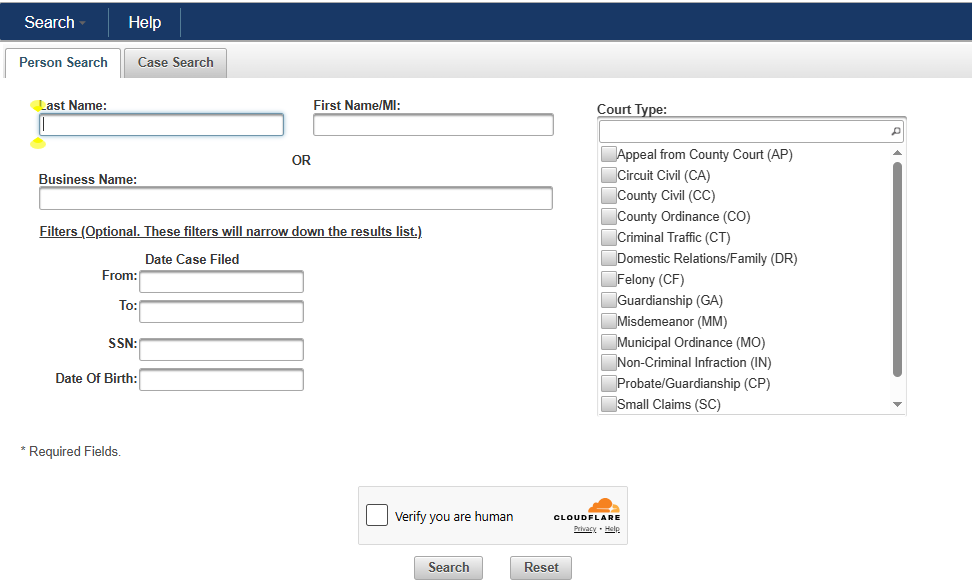
The most common way to perform a public case lookup is through the Jackson County Online Court Records Search (OCRS). This system is hosted by Civitek and provides a user-friendly interface for real-time data retrieval.
- How to Access: Navigate to the “https://www.civitekflorida.com/ocrs/county/32/” and select the “Public” access option.
- Search Types: You can search by Name, Case Number, or Citation Number.
- Functionality: This legal record database allows you to view case dockets and filing dates, though some full document images may require a registered account for viewing.
In-Person Search
For historical records or those that are not accessible online due to privacy restrictions, an in-person visit is necessary. The courthouse provides public terminals where visitors can conduct a thorough court case search without a fee for the search itself.
- Location: Jackson County Courthouse, 4445 Lafayette Street, Marianna, FL 32446.
- Hours: Monday through Friday, 8:00 a.m. to 4:30 p.m.
- Assistance: Clerk staff are available to help locate physical files, though they cannot provide legal advice.
Required Details for a Search
To ensure your Jackson County court records search is accurate, you should have specific identifiers ready before you begin. Providing more detail helps narrow down results, especially if the individual has a common name.
- Primary Details: You will need the person’s full legal name and, ideally, their date of birth.
- Specific Identifiers: A case number or traffic citation number is the most direct way to pull a specific record.
- Year of Filing: Knowing the approximate date range is helpful for filtering through older archives.
Costs for Copies and Certification
While viewing records on a public terminal is free, obtaining copies of Municipal Court Records involves statutory fees set by Florida law. These fees are used to cover the administrative costs of document maintenance and retrieval.
- Standard Copies: Generally $1.00 per page.
- Certified Copies: There is a $2.00 charge per document for the clerk’s certification seal, in addition to the per-page fee.
- Search Fee: If you ask the Clerk to perform the search for you, a fee of $2.00 per name, per year searched typically applies.
Court Hearings & What to Expect
Local court hearings in Jackson County follow a structured process where the judge reviews the case, hears both sides, and makes a decision. These hearings help resolve traffic violations and local ordinance cases in a fair and organized way. During a hearing, the municipal judge leads the process, listens to evidence, and applies the law to reach a final outcome. Understanding how local court hearings work can reduce stress and help people prepare better. Each hearing follows standard courtroom procedures, even for simple traffic cases. Knowing what to expect makes it easier to present your side clearly and avoid mistakes.
What Happens During a Court Hearing
A court hearing usually starts when the case is called by the court clerk. The person involved must step forward and respond when their name is announced. The municipal judge then reviews the case details and may ask questions. Both sides get a chance to speak and present information. The process stays organized and follows clear legal expectations.
Typical steps in a hearing include:
- Case is called by the clerk
- Judge confirms identities
- Charges are explained
- Driver or defendant responds
- Evidence or statements are presented
- Judge makes or delays a decision
Dress Code & Courtroom Etiquette
Proper appearance and respectful behavior matter during local court hearings. The court expects everyone to act professionally and follow basic rules. Dressing neatly shows respect for the court and the municipal judge. Good behavior can create a positive impression during the case.
Basic courtroom etiquette includes:
- Wear clean, modest clothing (no shorts or flip-flops)
- Arrive early and stay quiet
- Turn off phones before entering
- Speak only when asked
- Address the judge respectfully
Role of the Municipal Judge
The municipal judge plays a central role in all courtroom procedures. The judge listens to both sides, reviews evidence, and applies local laws. Their goal is to keep the hearing fair and balanced. They control the flow of the courtroom and make final decisions based on the facts.
Key judge responsibilities include:
- Managing the hearing process
- Listening to both parties
- Reviewing evidence and testimony
- Explaining legal options
- Issuing rulings or penalties
Paying Traffic Tickets & Fines in Jackson County
To pay traffic tickets in Jackson County (Florida), users can pay online, by mail, or in person through the Clerk of Court. Payments must be made within 30 days of receiving the citation to avoid penalties. Traffic fines increase after the deadline, and late payment can lead to license suspension, additional fees, and court action. Handling pay traffic tickets Jackson County on time helps close the case quickly and avoids extra costs. After receiving a citation, the clock starts immediately. The court sets strict timelines under Florida law, and missing them can create serious issues. A clear citation payment plan helps users stay compliant and avoid further legal trouble.
Payment Methods for Traffic Fines
Jackson County provides multiple options for completing online fine payment or paying in person. Each method updates the Municipal Court Records system once processed.
Official Payment Website: https://www.jacksonclerk.com
Users can choose from the following payment methods:
- Online Payment:
Pay through the official website using a debit or credit card. This is the fastest and most convenient option. - In-Person Payment:
Visit the Clerk of Court office during business hours to pay by cash, card, or money order. - Mail Payment:
Send a check or money order with your citation details to the Clerk’s office. - Phone Payment (if available):
Some cases allow payment through automated phone systems.
Payment Deadlines (Florida Law)
Traffic tickets in Florida follow strict deadlines. Missing these deadlines leads to automatic penalties.
Key deadline rules:
- Payment must be made within 30 days of the citation date
- Drivers may choose to:
- Pay the fine
- Elect traffic school (if eligible)
- Request a court hearing
If no action is taken within 30 days, the case becomes delinquent. This directly impacts the driver’s record and may trigger additional legal steps.
Late Payments & Penalty Fees
Failing to complete citation payment on time results in serious consequences under Florida traffic laws. Courts apply penalty fees and may take further action to enforce payment.
Common late payment consequences:
- Late fee added: Up to $25–$50 depending on the case
- License suspension: Reported to the Florida Department of Highway Safety and Motor Vehicles
- Collection fees: Sent to collections with added costs
- Mandatory court hearing: Required appearance before a municipal judge
- Hold on vehicle registration renewal
How to Pay Your Ticket
Follow these steps for a smooth online fine payment process:
- Go to → https://www.jacksonclerk.com
- Click “Pay Traffic Ticket”
- Enter your ticket or citation number
- Confirm your case details
- Choose payment method
- Submit payment
- Save or print confirmation
How to Handle Traffic Violations Legally
Handling traffic violations the right way can reduce fines, protect driving records, and avoid long-term issues. Taking early action and knowing your options makes court hearings easier to manage. In Jackson County, drivers can resolve traffic violations through smart decisions like choosing the right plea, preparing for court hearings, or seeking legal help when needed. Dealing with traffic violations becomes easier with the right legal advice and planning. Many drivers face higher penalties simply due to lack of preparation. Knowing how the system works helps avoid costly mistakes. Clear steps and early action improve the final outcome. Using proven traffic defense strategies can help reduce fines and protect your record.
When to Hire a Lawyer
Hiring a lawyer depends on the seriousness of the violation and the possible consequences. Minor tickets may not need legal help, though complex cases often benefit from professional support. A lawyer can explain your options, represent you during court hearings, and handle legal paperwork. This support becomes important when penalties increase or legal risks grow. Acting early gives more time to prepare a strong case.
- Serious violations like reckless driving
- Risk of license suspension
- Multiple tickets on record
- Need to challenge the ticket in court
- Complex legal situations
How to Reduce Penalties
Drivers have several ways to reduce penalties if they take the right steps early. Courts often allow options that lower fines or prevent points on a license. Probate Court preparation and the right approach can make a big difference during court hearings. Using effective traffic defense strategies helps improve the chances of a better outcome. Staying organized and informed keeps the process smooth.
- Attend traffic school (if eligible)
- Request reduced charges before trial
- Choose the right plea option
- Present evidence like photos or witness statements
- Show proof of correction (if applicable)
Contact Information & Court Location
The Jackson County Municipal Court operates through the Clerk of Court office in Florida. This office handles case records, payments, and general inquiries. Knowing the correct court address, phone number, and office hours helps users avoid delays and get accurate information quickly. It also supports better planning for in-person visits.
Court Address & Location
The court is located at the main county courthouse. This is where users can attend hearings, request records, or make payments in person.
Court Address:
Jackson County Clerk of Court
4445 Lafayette Street
Marianna, FL 32446
Clerk Contact Information
Users can contact the clerk’s office for help with case details, payments, or scheduling questions. The clerk contact team provides guidance and answers general inquiries.
Phone Number:
(850) 482-9552
Office Hours
The court follows standard weekday business hours. Visiting during these times helps users receive full support from staff.
Office Hours:
- Monday to Friday: 8:00 AM – 5:00 PM
- Saturday & Sunday: Closed
What You Can Do at the Court Office
Users can complete several tasks during an in-person visit. This helps resolve issues that may not be clear online.
- Pay traffic fines
- Request Municipal Court Records
- Get help with case status
- Ask questions about court procedures
Frequently Asked Questions
This section covers the most common issues users face while dealing with the Jackson County Traffic Court system. Each answer explains the process in a simple and clear way so users can take action without confusion. These legal FAQs focus on real situations like payments, hearings, and public records. Reading these answers helps users avoid mistakes and handle cases more effectively.
How do I check my traffic ticket in Jackson County?
To check a traffic ticket in Jackson County, users need to visit the official Clerk of Court website and use the public case lookup system. After opening the site, they must navigate to the case search or traffic ticket section. By entering their full name or citation number, the system displays complete case details. This includes the fine amount, due date, violation type, and current case status. The process is quick and works on most devices without needing a visit to the court. It helps users stay updated and avoid missing deadlines. Regularly checking the status keeps the case under control within the Jackson County Traffic Court system.
Can I reschedule a court hearing?
Yes, users can request to reschedule a court hearing in many situations, though the request must be made before the original hearing date. The process usually starts by contacting the court clerk through phone or in person. Users need to provide their case number and explain the reason for the request clearly. The court then reviews the request based on scheduling and case type. Approval is not automatic and depends on the decision of the municipal judge. If approved, a new hearing date will be assigned and shared with the user. Acting early increases the chances of approval and helps avoid penalties.
What happens if I miss a court date?
Missing a court date in the Jackson County Traffic Court can lead to serious consequences that affect both legal standing and driving privileges. The court may add extra fines or penalties to the original case. In many cases, a driver’s license may be suspended until the issue is resolved. The court may also require a new mandatory hearing, which can add more time and cost. In some situations, further legal action may be taken if the case remains unresolved. Acting quickly after missing a date can help reduce the impact. Contacting the court immediately is the best step to fix the situation.
Are Jackson County court records public?
Yes, most Municipal Court Jackson County records are available to the public through the official legal record database. This system allows users to perform a court case search using basic details such as name or case number. The records usually include case status, charges filed, court dates, and final outcomes. This open access supports transparency and helps users stay informed about their legal matters. Some sensitive information may not be displayed due to privacy rules. Even with those limits, general case details remain accessible. Using the system regularly helps users track updates and avoid missing important steps.
How long do I have to pay a traffic ticket?
In Florida, users generally have 30 days from the date of the citation to take action on a traffic ticket. This time period allows them to either pay the fine, request a court hearing, or choose traffic school if eligible. Failing to act within this deadline leads to additional penalties and possible legal issues. Late action may result in added fees or license suspension. The court treats deadlines strictly, so timely response is very important. Checking the due date on the ticket or online system helps avoid mistakes. Taking action early keeps the case simple and manageable.
Can I fight a traffic ticket?
Yes, users have the right to fight a traffic ticket by entering a not guilty plea and requesting a court hearing. The case will then be scheduled before a municipal judge, where both sides can present their arguments. Users can bring evidence such as photos, documents, or witness statements to support their case. The judge reviews all information before making a final decision. Proper preparation plays a key role in improving the outcome. Some users choose to seek legal advice for better results. Taking the correct steps increases the chances of reducing or dismissing the violation.