Jackson County District Court serves as a central part of the local court system, where many everyday legal disputes begin and end. It handles cases that fall within its court jurisdiction, including civil claims, minor offenses, and small claims matters. The court provides a structured way to resolve conflicts without moving to higher courts. In the middle of many legal processes, Jackson County District Court helps manage filings, hearings, and final decisions. This makes it easier for residents to handle legal issues close to home. It focuses on clear procedures so people can take action with confidence.
Jackson County District Court plays a major role in case handling by offering organized systems for filing and tracking cases. It supports case lookup tools that allow users to check court records and follow updates. Many small claims cases are processed here, giving people a simple way to resolve disputes without complex steps. In the middle of the legal process, Jackson County District Court keeps everything moving with scheduled hearings and timely decisions. This approach supports fairness and helps reduce delays. It remains a trusted place for handling local legal matters quickly and clearly.
What Is Jackson County District Court?
District Court Jackson County is a local trial court that hears common legal cases and gives decisions based on facts and law. It works within a defined legal jurisdiction and plays a key role in the judicial system. The District Court Jackson County functions as a trial court, where cases begin and are resolved through hearings and judgments. It deals with daily legal disputes that affect people at the local level. The court applies rules under its court authority to maintain fairness and order. It supports a structured system where both sides present evidence and receive a decision. This makes it a central part of the judicial system.
Role and Responsibilities
The District Court Jackson County Court manages legal cases within its legal jurisdiction and follows clear procedures for fair outcomes. It acts as the first point of contact in the court system, where most disputes are heard and resolved. The court ensures that each case follows legal rules and that both parties get a fair chance to present their side. It handles scheduling, hearings, and final decisions under its court authority. This role keeps the legal process smooth and organized at the local level.
Key responsibilities include:
- Conducting trials and hearings for civil and criminal matters
- Reviewing evidence and issuing judgments
- Maintaining official court records
- Applying laws within its defined jurisdiction
Types of Cases Handled
The District Court Jackson County deals with several types of cases that fall under its role as a trial court. These cases are usually less complex but still require proper legal review and decisions. The court handles disputes between people, minor offenses, and financial claims with set limits. Each case follows a step-by-step process to keep decisions fair and consistent. This helps maintain trust in the local judicial system.
Common case types include:
- Civil cases: disputes over money, contracts, or property
- Small claims: low-value cases with simple procedures
- Misdemeanor cases: minor criminal offenses
- Preliminary hearings: early review of serious criminal matters
Difference Between District Court and Other Courts
The District Court Jackson County is different from higher courts in its role and scope. It focuses on handling cases at the starting level, where evidence is presented and decisions are made. Higher courts, on the other hand, review decisions or handle more serious cases. This difference helps divide work across the judicial system and keeps case flow balanced. The district court works within limited legal jurisdiction, while higher courts have broader authority.
Main differences include:
- District court acts as a trial court, higher courts review cases
- Handles minor and moderate cases, higher courts handle complex matters
- Works within local jurisdiction, higher courts have wider reach
- Gives initial judgments, higher courts handle appeals
How to File a Small Claims Case in Jackson County
Jackson County Small Claims Court allows people to file simple legal disputes with a clear and structured claim filing process. It requires basic legal forms, a court submission, and payment of filing fees to start the case. Filing a case in Jackson County Small Claims Court is a straightforward process designed for quick resolution of low-value disputes. This system helps people present their case without complex legal steps. The court follows a simple method where users submit required details, notify the other party, and attend a hearing. Each step in the claim filing process supports fair handling and keeps the system efficient.
Process to File a Small Claims Case
Filing a case in Jackson County Small Claims Court involves a few clear steps. Each step must be completed in order to move the case forward. The process is designed to reduce confusion and help people handle disputes with ease.
Prepare Your Claim
Start by collecting all important details about the dispute. This includes names, addresses, and a clear explanation of the issue. Make sure the claim amount falls within the court’s limit.
Complete Legal Forms
Fill out the required legal forms for small claims. These forms include basic case information and the amount being claimed. Accurate details help avoid delays in court submission.
File the Claim with the Court
Submit the completed forms to the court clerk. This step is known as court submission, where the case officially begins. The clerk records the case and assigns a hearing date.
Notify the Other Party
The other party must receive official notice of the claim. This step is called service of process. It informs them about the case and the hearing schedule.
Attend the Court Hearing
Both parties appear before a judge and present their side. The judge reviews the evidence and gives a decision based on the facts.
Quick checklist:
- Gather evidence and details
- Fill out correct legal forms
- Submit claim to court
- Serve notice to the other party
- Attend hearing on time
Required Documents for Claim Filing
To complete a proper claim filing, certain documents are needed. These documents support the case and help the court understand the dispute clearly.
Common required documents include:
- Completed small claims legal forms
- Proof of identity
- Evidence such as receipts, contracts, or photos
- Contact details of both parties
- Any written agreements related to the dispute
Filing Fees in Jackson County Small Claims Court
Filing a case in Jackson County Small Claims Court requires a fee. The amount depends on the claim value and local court rules. Fees must be paid at the time of court submission for the case to proceed.
Typical fee details:
- Lower fees for smaller claim amounts
- Higher fees for claims closer to the limit
- Extra charges for document service or copies
How to Search Jackson County District Court Records
Jackson County District Court Records in Florida can be searched online using the official clerk system with a simple case lookup process. Users can find case status, docket details, and public records by entering a name or case number. For accurate District Court Records and Jackson County District Court Records, use the official site:
Official Site URL: https://www.jacksonclerk.com
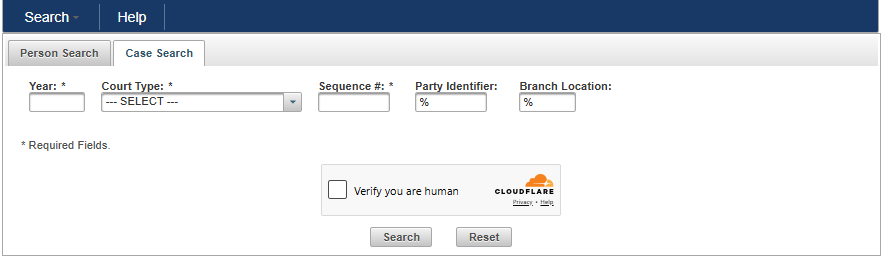
Enter Case Number or Name
Start by choosing your search method:
- Use Case Search if you have a case number
- Use Person Search if you only know a name
Select Case Type
Choose the correct category from the dropdown menu:
- Small Claims (SC)
- Civil
- Criminal
- Traffic
View Docket and Case Status
After clicking search, a list of cases will appear. Select a case to view full details such as:
- Case status
- Filing date
- Hearing schedule
- Docket entries (case activity history)
Download Court Records
If documents are available, the system provides options to:
- View filings and orders
- Download case documents
- Print records for reference
Types of Cases Handled in District Court
District courts handle a range of cases including civil claims, small claims, and misdemeanor offenses. These courts manage everyday legal disputes through structured hearings and decisions by a district court judge. The district court serves as a trial court where many legal matters begin and end. It focuses on resolving legal disputes that involve money, property, or minor criminal charges. Each case type follows a clear process, which helps keep the system organized and fair. From civil claims to minor offenses, the court plays a key role in handling cases at the local level.
Civil Claims and Disputes
Civil cases in district court deal with disagreements between parties, usually related to money or property. These district court cases do not involve criminal charges but focus on resolving lawsuits and awarding compensation claims where needed. The court reviews evidence, hears both sides, and gives a decision based on facts. This process helps settle issues without escalation to higher courts.
Common civil claims include:
- Contract disputes between parties
- Property disagreements or damage claims
- Financial conflicts and unpaid debts
- Personal claims seeking compensation
Small Claims Court Cases
Small claims cases are designed for simple and low-value disputes. The Jackson County Small Claims Court handles these matters with fewer formal steps, making it easier for people to present their case. The process is faster and often does not require legal representation. This makes it suitable for resolving minor disputes in a short time.
Key features of small claims cases:
- Limited claim amount based on court rules
- Simplified filing and hearing process
- Faster resolution compared to other cases
- Informal court setting with basic procedures
Misdemeanor and Minor Offenses
District courts handle misdemeanor cases and other minor offenses that involve less serious criminal activity. These cases include violations of law that carry lighter penalties compared to major crimes. The court reviews evidence, listens to both sides, and decides the outcome based on legal standards.
Common examples include:
- Traffic violations such as speeding
- Minor criminal charges like disorderly conduct
- Local ordinance violations
- Low-level offenses with fines or short penalties
Role of District Court Judge
The district court judge plays a central role in managing cases and making final decisions. The judge holds legal authority to conduct hearings, review evidence, and issue rulings. Each case is handled with attention to facts and legal rules, which helps maintain fairness in the process.
Key responsibilities of a district court judge:
- Presiding over case hearings
- Evaluating evidence and arguments
- Issuing rulings and final decisions
- Maintaining order during court proceedings
Information Available in Court Case Records
District Court Records provide key case details such as status, parties involved, hearing dates, and final judgments. These records help users track legal filings and review court documents for any case. The District Court Records system stores important information about each case handled in court. It allows users to check progress, review legal filings, and stay updated on case activity. These records form part of official court documents and are often available through online case lookup tools. This structured data helps users follow cases without visiting the courthouse and supports transparency in the legal system.
Case Status
Case status shows the current stage of a case within the court process. It helps users understand whether a case is active, pending, or completed. This section updates as the case moves through filing, hearings, and final decisions. It gives a quick view of progress and helps users know what step comes next. Regular updates in status improve clarity and reduce confusion in tracking case details.
Common case status terms include:
- Open or Active
- Pending review
- Closed or Disposed
- Dismissed
Parties Involved
This section lists all people or entities connected to the case. It includes the person who filed the case and the one responding to it. These case details help confirm the correct record and show each party’s role. It is useful for identifying legal responsibility and tracking involvement in the dispute. Clear party information supports accurate review of District Court Records.
Typical parties listed:
- Plaintiff (person filing the case)
- Defendant (person responding to the case)
- Attorneys or legal representatives (if included)
Hearing Dates
Hearing dates show when the case is scheduled for court proceedings. These dates help users prepare for court and keep track of important events. The court may update schedules based on case progress or other factors. Each hearing plays a role in moving the case forward. Tracking these dates helps users stay informed and ready for each stage of the process.
Hearing details may include:
- Date and time of the hearing
- Courtroom or location
- Type of hearing (initial, trial, review)
Judgments and Final Decisions
Judgments provide the final outcome after all hearings and reviews are complete. This section explains the court’s decision and any required actions. These are official court documents that close the case and record the result. Reviewing judgments helps users understand how the dispute was resolved and what happens next. It also shows any penalties, payments, or legal orders issued by the court.
Judgment details may include:
- Final ruling by the judge
- Compensation amount in civil cases
- Penalties or fines in criminal cases
- Orders for compliance or further action
Court Procedures and Hearings
District court cases follow a structured legal process that includes pre-trial steps, hearings, and final decisions. These court proceedings help resolve disputes by allowing both sides to present evidence and arguments. The process in district court cases is designed to keep hearings fair and organized. Each stage follows clear trial steps, from filing a case to the final ruling. These court proceedings give both parties a chance to present their side before a judge. Knowing what happens at each stage helps users prepare and avoid confusion during the legal process.
Pre-Trial Process
The pre-trial stage is the first part of the legal process after a case is filed. It focuses on preparing the case before the actual hearing. During this time, both parties gather evidence, submit legal filings, and follow court instructions. This stage helps define the issues and ensures that everything is ready for the hearing. It also reduces delays by organizing all case details in advance.
Key pre-trial steps include:
- Filing the complaint and response
- Sharing evidence between parties
- Submitting required court documents
- Scheduling hearing dates
Court Hearing Steps
Court hearings are the main part of district court cases, where both parties present their arguments. The judge listens to each side, reviews evidence, and asks questions if needed. These trial steps follow a clear order to keep the process fair and easy to follow. Each step allows both parties to explain their position before a decision is made.
Typical court hearing steps:
- Opening of the case by the judge
- Presentation of evidence and statements
- Questioning or clarification by the judge
- Final arguments from both sides
- Decision or scheduled ruling
What to Expect During Court Proceedings
Court proceedings can feel formal, but they follow a clear pattern. Participants are expected to arrive on time, present their case clearly, and follow court rules. The judge manages the process and ensures that both sides are heard. Understanding what to expect helps reduce stress and improves preparation for the hearing.
What users should expect:
- A formal courtroom setting
- Clear instructions from the judge
- Opportunity to present evidence and speak
- Questions from the judge if needed
- A decision given immediately or later
Fees and Costs in District Court Cases
District court cases include filing fees, service fees, and other legal expenses that must be paid during the process. In Florida, small claims fees are set by law and vary based on the claim amount. Understanding small claims fees and total court costs helps users plan before filing a case. In Jackson County (Florida), these filing charges follow the statewide fee structure set by the clerk of court. Costs may increase depending on services like document delivery or certified copies. Knowing these amounts in advance helps avoid delays and keeps the process smooth.
Filing Fees
Filing fees are required to start a case in district court. In Florida small claims cases, fees depend on the value of the claim being filed. These filing charges must be paid at the time of submission for the case to proceed.
Accurate small claims filing fees in Florida:
| Claim Amount | Filing Fee |
|---|---|
| Up to $100 | $55 |
| $101 – $500 | $80 |
| $501 – $2,500 | $175 |
| $2,501 – $5,000 | $300 |
| $5,001 – $8,000 | $400 |
These fees apply to Jackson County Small Claims Court and are part of standard court costs across Florida.
Key points:
- Paid when submitting legal forms
- Based on claim value
- Non-refundable once filed
- Required to open the case
Service Fees
Service fees cover the cost of delivering court documents to the defendant. This step is required so the other party is properly notified about the case. Without this step, the court cannot move forward with hearings.
Typical service fees in Florida:
- Sheriff service: $40 – $60 per defendant
- Certified mail (if allowed): $10 – $20
- Private process server: may vary ($50+)
Important details:
- Paid separately from filing fees
- Required before hearing scheduling
- Cost depends on delivery method and location
Additional Charges
Extra court costs may apply depending on actions taken during the case. These charges are not always required but can arise based on user needs.
Common additional charges include:
- Certified copies: $1 – $2 per page
- Document copies: $0.15 – $0.25 per page
- Motion filing fees: varies by request
- Appeals filing: $100+ depending on case
Total Estimated Court Costs
Total small claims fees depend on the claim amount and services used. A simple case may stay within basic filing and service fees, while more complex cases may include extra charges. Planning ahead helps manage these filing charges and avoid unexpected costs.
Example cost breakdown:
- Filing fee: $175 (mid-range claim)
- Service fee: $40
- Copies/documents: $10–$20
Estimated total: $225 – $250
Contact and Location
Jackson County District Court contact details in Florida are available through the Clerk of Court, including address, phone number, and office hours. These office details help users reach the courthouse for case support and records. The Jackson County District Court operates through the Clerk of Court office, which manages filings, records, and public inquiries. Knowing the correct courthouse location and contact details helps users handle case-related tasks without confusion. These court contact details are useful for in-person visits, document requests, and general assistance.
Address of Jackson County District Court
The courthouse is located in Marianna, Florida, and serves all legal matters within the county. This central courthouse location is where hearings, filings, and public record requests take place. Visitors can go to this address for case-related services and assistance from court staff.
Courthouse Address:
4445 Lafayette Street
Marianna, FL 32446
Phone Number and Court Contact
Users can contact the court office for help with case status, filing procedures, or record requests. The Clerk’s office provides support during working hours and answers general questions related to District Court Records and filings.
Phone: (850) 482-9552
Common reasons to call:
- Check case status or hearing dates
- Ask about filing requirements
- Confirm court costs and fees
- Request copies of court documents
Office Hours and Visiting Information
The court office follows standard weekday hours for public services. Visiting during working hours allows users to file documents, request records, or get help from staff. It is best to arrive early to avoid delays.
Office Hours:
- Monday to Friday: 8:00 AM – 5:00 PM
- Saturday & Sunday: Closed
Frequently Asked Questions
Jackson County District Court provides answers to common court process questions about filing, timelines, and case handling. These FAQs help users understand how the system works and what steps to follow. Many users have questions before starting a case in Jackson County District Court. These answers explain the process in simple terms and help users prepare for filings, hearings, and case tracking.
How do I file a small claims case in Jackson County District Court?
To file a small claims case in Jackson County District Court, a person must begin by completing the required legal forms with accurate details about the dispute. The claim should clearly state the issue and the amount requested. After filling out the forms, they must be submitted to the clerk’s office along with the filing fee. Once accepted, the court assigns a case number and schedules a hearing date. The other party must be officially notified about the case through proper service. The court then prepares the case for hearing, where both sides present their arguments. Following each step correctly helps avoid delays and keeps the case moving forward.
How long does a case take in district court?
The timeline for district court cases depends on the type and complexity of the matter. Small claims cases usually move faster and may take a few weeks to a few months to reach a decision. Civil cases can take longer if there are multiple hearings or more evidence involved. Misdemeanor cases depend on court schedules, availability, and legal procedures. Delays may occur if documents are incomplete or if parties request more time. The court sets hearing dates based on workload and case priority. Users can check progress through District Court Records to stay updated.
Can I represent myself in Jackson County District Court?
Yes, self-representation is allowed in Jackson County District Court, especially for small claims cases. This means a person can present their own case without hiring a lawyer. The court provides a simple process so users can explain their issue directly to the judge. It is important to prepare all documents, organize evidence, and understand the facts of the case. Clear communication during the hearing helps present the case effectively. The judge may ask questions to understand the situation better. Proper preparation improves confidence and helps the case proceed smoothly.
What happens during a court hearing?
During a hearing in Jackson County District Court, both parties appear before a judge to present their side of the case. The judge starts the session and explains how the process will proceed. Each side then shares their arguments, evidence, and supporting documents. The judge may ask questions to clarify important points. All information is reviewed carefully before making a decision. In some cases, the judge may give a decision immediately, while in others it may come later. Following courtroom rules and speaking clearly helps ensure a fair hearing.
How can I check my case status and court records?
Users can check their case status through the official Jackson County District Court online system. By using a case number or name, they can perform a search and view case updates. The system shows important details such as filing date, hearing schedule, and current status. It may also include docket entries and available court documents. This helps users stay informed about their case without visiting the courthouse. Regularly checking updates ensures that no important dates or steps are missed.